
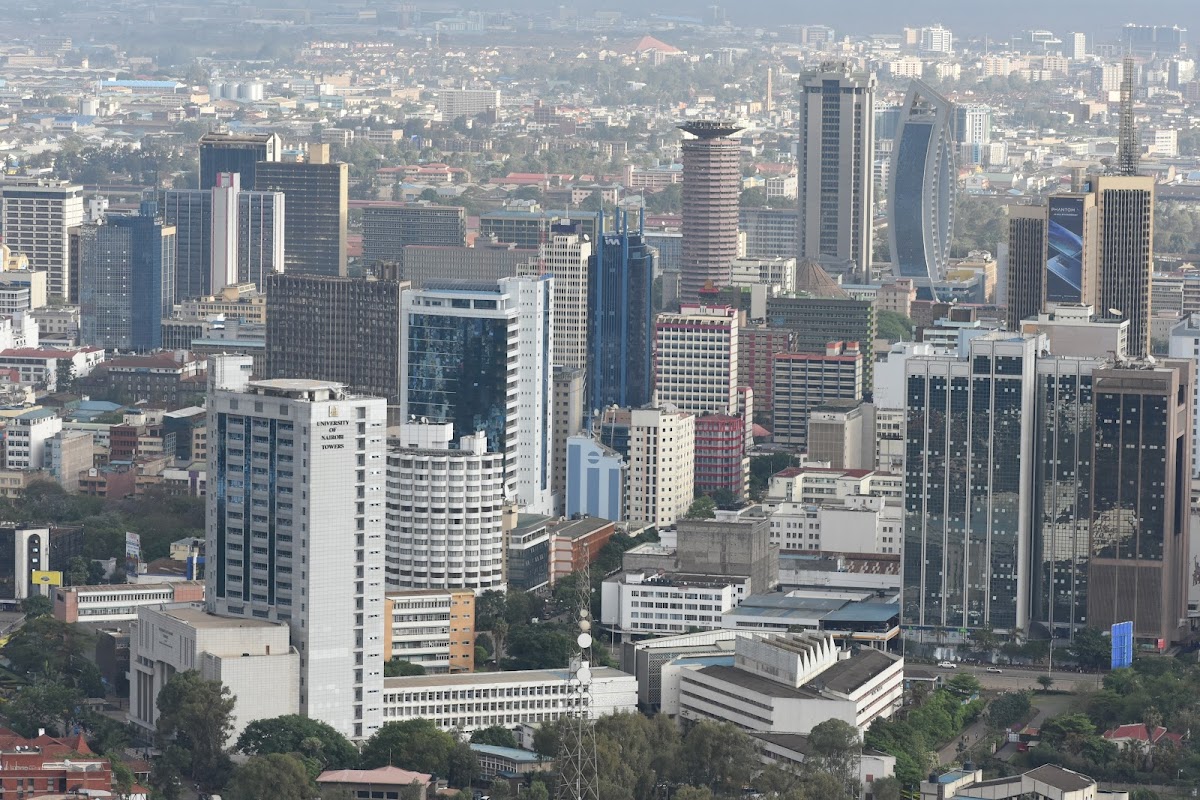
The 7th All Africa Intellectual Property Summit is coming back to East Africa, this time to Nairobi, Kenya.
From November 11th to 13th, Nairobi will host the 7th Edition of the All Africa Intellectual Property Summit (AAIPS 2026), gathering policymakers, IP offices, legal experts, creatives, entrepreneurs, and innovators from across the continent and beyond under one theme: “Mainstreaming Intellectual Property for Africa’s Trade, Industrial & Creative Economy Transformation.”
It is a big theme. It needs a big city. And Nairobi is not just available; it is arguably the most fitting stage Africa could choose right now. Here’s why.
- Nairobi is where Africa already builds its future
Long before “Silicon Savannah” became a household name across the Continent, Nairobi was already producing the kind of homegrown innovation the AAIPS theme is built around. This is the city that gave the world M-Pesa, the mobile money system that reshaped how an entire continent thinks about financial inclusion. An African idea that got copied everywhere else, not the other way around. Fittingly, M-Pesa is also now at the center of one of the most consequential IP rulings the country has produced: in May 2026, Kenya’s High Court found Safaricom liable for copyright infringement over its M-Pesa Go feature, ruling that the product had been lifted from a Kenyan developer’s documented pitch, and ordering not just KSh 1.4 billion in damages but an indefinite ongoing royalty on M-Pesa revenue. It is exactly the kind of precedent, a local judiciary treating a lone innovator’s documented idea as seriously as a telecom giant’s balance sheet, that gives the AAIPS theme real teeth in Kenya. If you are ready to dig deep into understanding the implications of such decisions on Africa’s legal, regulatory, and policy frameworks, then the AAIPS 2026 is where you should be. Come to Nairobi.
Today, Nairobi is home to hundreds of tech hubs, accelerators, and startups working on fintech, agritech, health tech, and clean energy. iHub, Nairobi Garage, and a dense cluster of innovation spaces have made the city a magnet for venture capital flowing into East Africa. When a Summit’s entire purpose is to discuss turning intellectual property into industrial and trade value, there is something powerful about doing so in a city where that conversion is already happening in real time, not just in theory.
- Kenya’s creative economy is not a side note; it is the main event
Talk to anyone who has spent a night in Nairobi, and they will tell you about the music first. Kenya’s creative industries- music, film, fashion, digital content, storytelling are some of the most dynamic on the continent, and they run on the same intellectual property questions the summit exists to solve: Who owns this? Who gets paid? How does a beat, a design, or a story become an asset instead of just content that gets copied and forgotten?
From Gengetone reshaping East African music to a fashion scene blending Maasai, Swahili coast, and contemporary design language into something distinctly its own, Kenya’s creative sector is a living case study in why “mainstreaming IP for the creative economy” is not an abstract policy goal, it is a livelihood question for thousands of working artists, designers, and producers right now.
- The institutional backbone is already in place
The Kenya Industrial Property Institute (KIPI) and the Kenya Copyright Board (KECOBO) give the country a functioning, relatively mature IP administration system, one that regional peers often look to as a reference point. Add Kenya’s role as a hub for regional trade bodies and its active participation in the African Continental Free Trade Area (AfCFTA), the Africa Regional Intellectual Property Organization (ARIPO), and you have a host country that is not just providing a venue; it is providing institutional credibility for exactly the kind of policy alignment conversations the Summit wants to drive.
The AAIPS gathers policy and lawmakers, members of academia, practitioners from across Africa and beyond, and the past editions have not been shy about the institutional gaps in African countries but have also made key policy recommendations for institutional growth. We have no doubt that the discussions in Nairobi will make an even more meaningful impact on Africa’s development.
- Nairobi is genuinely easy to get to and navigate (you might even enjoy a matatu ride with the never-ending party)
Movement matters more than people admit. Jomo Kenyatta International Airport is one of the best-connected hubs on the continent, with direct flights linking Nairobi to West Africa, Southern Africa, Europe, the Middle East, and Asia. For a summit expecting delegates from dozens of countries, government officials, IP lawyers, university researchers, and startup founders, logistics either make or break turnout. Nairobi removes that friction.

And once delegates are actually moving around the city, they will run straight into a live IP case study: Nairobi’s matatus. These privately-run minibuses are rolling canvases, hand-painted or vinyl-wrapped with everything from footballers and musicians to Hollywood characters and global brand logos, competing to be the loudest, boldest thing on the road. It is a genuinely striking sight, and also a quietly perfect illustration of the Summit’s subject matter. Much of that artwork uses celebrity likenesses, film characters, and brand marks without any licence at all, while the murals themselves are original works whose own artists have, in at least one documented case, seen their designs lifted and reused commercially without permission. Delegates debating enforcement, fair use, and rights management in a conference hall can step outside and watch the same questions playing out on the street. All this is part of Nairobi’s personality, and enforcement debates or not, you are sure to enjoy the sight of characterized matatus, and if you are lucky or maybe bold enough to take a trip in one, the music played in there is a never-ending party.
- “The Green City in the Sun” earns its nickname
The air in Nairobi is undoubtedly fresh and clean because of the green environment. This is the part participants actually remember once the panels are over. Nairobi has a claim almost no other capital on earth can make: a full national park, complete with lions, giraffes, rhinos, and buffalo, sitting minutes from the central business district, and a skyline visible in the background. It is the reason people describe Nairobi as the only capital city in the world where you can genuinely go on safari before lunch and be back at your hotel by early afternoon, a detail that consistently surprises first-time visitors and turns a work trip into something worth extending.
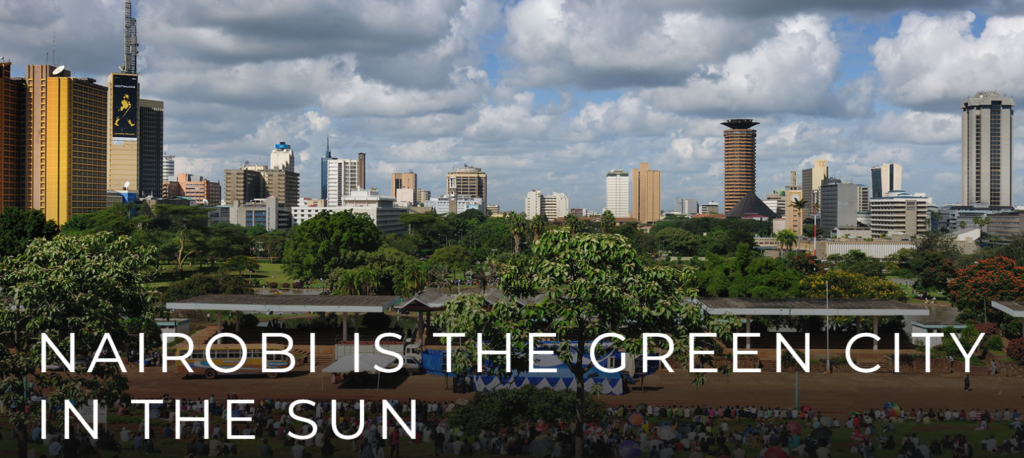
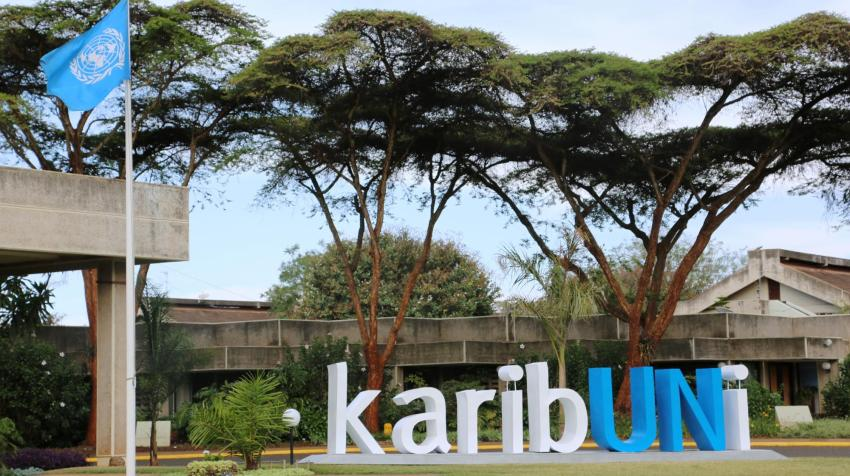
Between summit sessions, delegates can walk through leafy, jacaranda-lined streets, visit the Nairobi National Museum, or take a short trip to the Giraffe Centre or the David Sheldrick Wildlife Trust elephant orphanage. It is a city that manages to be a serious commercial and diplomatic capital, headquarters to UN-Habitat and UNEP, the only UN headquarters in the Global South, while still being unmistakably green and alive. These are exactly the kind of things participants look for outside the summit hall: a reason to arrive a day early, stay a day later, and bring family along.
- Nairobi National Park: Where Africa’s wilderness meets the city’s skyline.
Nairobi National Park is the only national park located in the Capital city. It features a large and diversified wildlife population, including four of the big five animals of Africa, and is considered both a lion and rhinoceros sanctuary. It is among the few parks in the world in which the black rhinoceros can be seen in its natural habitat. Located at just approximately six kilometres from the south of Nairobi’s central business district, the park offers an authentic African safari experience without the need for long domestic flights or hours of travel.

In a single game drive, you can witness incredible wildlife, diverse birdlife and breathtaking landscapes while still being close to world-class hotels, restaurants and cultural attractions. Where else can you have breakfast in a cosmopolitan city and watch the pride of lions before lunch?
- The African hub of sports and athletics
Renowned worldwide for producing legendary athletes such as Eliud Kipchoge, Faith Kipyegon, and David Rudisha, Kenya has built a reputation for excellence, resilience, and sporting achievement. The country’s high-altitude training environment attracts elite athletes and fitness enthusiasts from across the globe who want to experience firsthand where some of the world’s greatest runners are made.
Beyond athletics, Kenya is increasingly becoming a major destination for international sports. The country co-hosted the African Nations Championship (CHAN) with its East African neighbours and is preparing to co-host the 2027 Africa Cup of Nations (AFCON), Africa’s biggest football tournament. These milestones highlight Kenya’s growing sports infrastructure, passionate fan culture, and ability to host world-class events.
Whether you’re an athlete, a football fan, or simply someone who loves the energy of sport, Kenya offers a unique opportunity to experience a nation where sporting excellence is woven into everyday life—from the training trails of Iten and Eldoret to the excitement of international football tournaments.
- And yes, we have to talk about the Nyama Choma
No honest account of Nairobi leaves out the food. Nyama choma; slow-grilled meat, usually goat or beef, eaten with your hands, shared around a table with ugali and kachumbari, is not just a dish in Kenya. It is a social institution. It is where business deals get informally sealed, where old friends catch up, where visiting delegates get their first real taste (literally) of Kenyan hospitality. Add in Nairobi’s buzzing café culture, its Swahili coast-influenced dishes, its Indian-Kenyan fusion food scene built over generations of shared history, and you get a city whose food alone tells the story of its diversity.
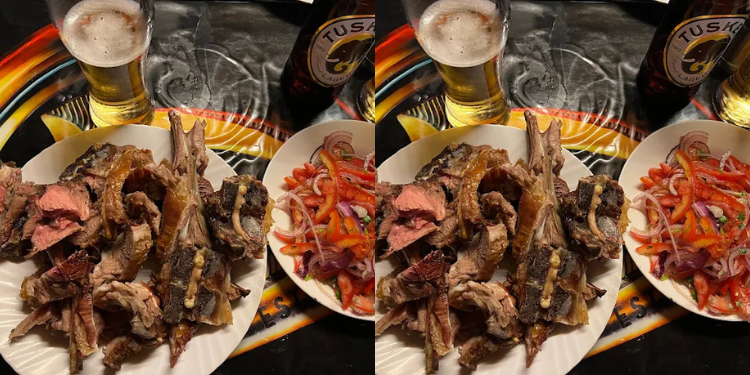
Feed the mind, feed the body, feed the continent as we mainstream IP for Africa’s Trade, Industry and Creative Economy.
- A meeting point of cultures, not just countries
Kenya’s diversity is not a marketing line; it is structural. More than 40 ethnic communities call the country home, each with distinct languages, traditions, and forms of creative and traditional knowledge. Nairobi itself is a genuinely cosmopolitan capital, shaped by Swahili coastal trade routes, South Asian communities that have called Kenya home for generations, and a steady flow of pan-African and international residents drawn by the city’s role as a regional hub.
That matters directly for this Summit’s agenda. One of AAIPS’s stated priorities is harnessing traditional knowledge and cultural expressions for wealth creation, and Kenya’s own communities, from Maasai beadwork to coastal Swahili crafts to indigenous medicinal knowledge, are living examples of exactly the kind of heritage that well-designed IP frameworks are supposed to protect and monetize, not extract and forget.
Kenya doesn’t just have the raw cultural material for this conversation; it has a working precedent. In 2017, the women weavers of Taita-Taveta County, working with the Kenya Industrial Property Institute, WIPO, and JICA, registered “Taita Basket” as a collective mark: a legal protection that lets any weaver meeting agreed quality standards use the mark, while stopping outsiders from free-riding on the community’s name and technique. It turned a fragmented, informal craft into an organized, brandable industry owned by the women who actually weave it. That single registration has since been cited repeatedly across Africa as a template for how indigenous and community knowledge (baskets, textiles, herbal remedies, culinary traditions) can be legally protected without freezing it in a museum case. It is a small case study with an outsized answer to the exact question AAIPS is asking: how do you turn heritage into an economic asset that belongs to the people who created it?
- Intellectual Property framework
Kenya has emerged as one of Africa’s leading jurisdictions for intellectual property protection, innovation, and policy development.
The country boasts a well-established legal and institutional framework anchored by the Kenya Industrial Property Institute (KIPI), the Kenya Copyright Board (KECOBO), and the Anti-Counterfeit Authority (ACA), which work together to promote innovation, protect creators, and enforce IP rights.
Kenya is a signatory to key international IP treaties administered by the World Intellectual Property Organization (WIPO), demonstrating its commitment to aligning with global best practices. The country has also made significant strides in supporting innovation ecosystems, technology transfer, creative industries, and digital entrepreneurship through progressive policies and ongoing legal reforms.
Nairobi has become a regional hub for business, technology, and innovation, attracting startups, multinational corporations, research institutions, and creative enterprises. This has fostered a dynamic environment for discussions on patents, trademarks, copyrights, trade secrets, and emerging issues such as artificial intelligence, digital content, and innovation-driven economic growth.
For delegates attending AAIPS, Kenya offers not only a strong legal framework but also a practical example of how intellectual property is being leveraged to drive innovation, investment, and sustainable development across Africa.
- A track record of thinking regionally, not just nationally
Kenya has consistently positioned itself as a convener rather than just a participant in continental conversations, from trade to technology to climate. Hosting AAIPS fits a pattern: Nairobi already sees itself, and is widely seen, as a natural meeting ground for pan-African dialogue. That’s nothing when the entire point of the Summit is regional policy alignment and cross-border cooperation on IP enforcement, counterfeiting, and investment.
- A city already built for high-level networking
Nairobi is one of only four cities in the world hosting a United Nations headquarters office, home to both UN-Habitat and UNEP, alongside a dense diplomatic community of embassies, high commissions, and international development agencies. That IS not a trivia point; it is infrastructure. It means Nairobi already has the hotels, facilities, protocol experience, and diplomatic circuit that large multilateral gatherings require, and it means the city is permanently stocked with policy professionals, trade officials, and development partners who are exactly the kind of people you want to network with. For delegates and exhibitors, that translates into real opportunity: side meetings with UN agencies, embassy trade desks, and regional bodies are far easier to arrange in a city where those offices are a short drive away rather than a separate trip altogether. A summit built around aligning policy and attracting investment benefits enormously from being held in a city where that kind of institutional access is simply part of daily life.
- The gateway city for East Africa. Are you looking to showcase your services or products?
Nairobi is not just a Kenyan city; it functions as the commercial capital of East Africa. It anchors the East African Community’s largest economy, sits at the crossroads of trade corridors running to Uganda, Rwanda, Tanzania, South Sudan, Ethiopia, and the DRC, and hosts the regional or continental headquarters of a long list of multinational banks, logistics firms, consumer brands, and technology companies. For our potential exhibitors and sponsors, Nairobi does not just deliver Kenya’s market; it delivers a front-row seat to East Africa’s. A booth or a brand activation at AAIPS in Nairobi is not reaching one country’s IP offices, law firms, and creative businesses; it means reaching the regional decision-makers who set precedent and policy for a market of well over 300 million people. Combined with the UN and diplomatic presence next door, it is hard to find a city on the continent where the room is this concentrated with the people worth meeting.
The 7th Edition of the AAIPS is really asking one question: how does Africa turn its ideas, its culture, and its creativity into durable economic value using IP? Nairobi does not just get to host that conversation; it is already living it. A functioning IP administration with real precedent-setting court decisions behind it, a thriving tech and startup scene, a creative economy punching above its weight, deep cultural diversity backed by working models like the Taita Basket mark, a UN and diplomatic presence that opens doors most host cities cannot, regional gravity as East Africa’s commercial capital, and a city that’s as comfortable hosting a national park safari with the most entertaining city dwellers.
Come November, delegates will not just be discussing how to mainstream IP for Africa’s transformation. They will be doing it in a city that is already a working example of what that transformation looks like.
Karibuni Nairobi. November 11th to 13th, 2026.